Tencent TiMi L1 · 2024.04 - 2026.05
Honor of Kings: World
Commercial Material System / Shell Fur System / Mobile Rendering Governance
Production material architecture, commercial effects and a Shell Fur workflow, with mobile rendering budgets treated as part of authoring rather than a final cleanup.

Problem & goal
One-off shaders, masks, material slots and double-sided effects accumulate cost and make production behavior difficult to control.
Design & implementation
- Structure Base PBR, Mask Atlas, Effect Blocks and performance gates together.
- Track texture, sampling, material-slot and ALU budgets during authoring.
- Connect Shell Fur layers, flow, LOD and SubMaterial integration with instanced submission.
Reusable material rules and authoring controls connect visual variation with predictable production costs.
01 / Commercial Material System
Commercial Material System
A modular material structure supports character customization without losing control over shader complexity.
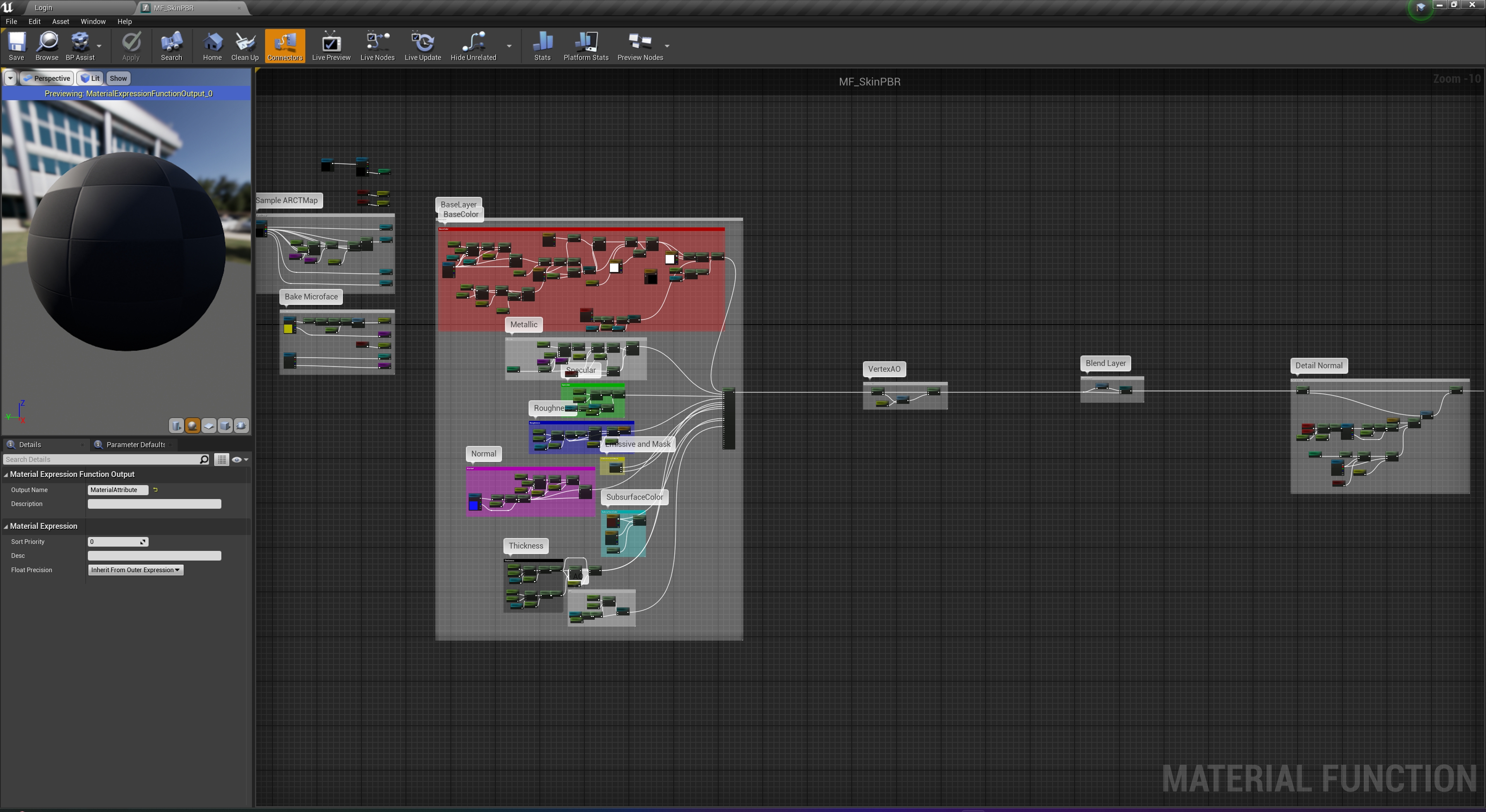
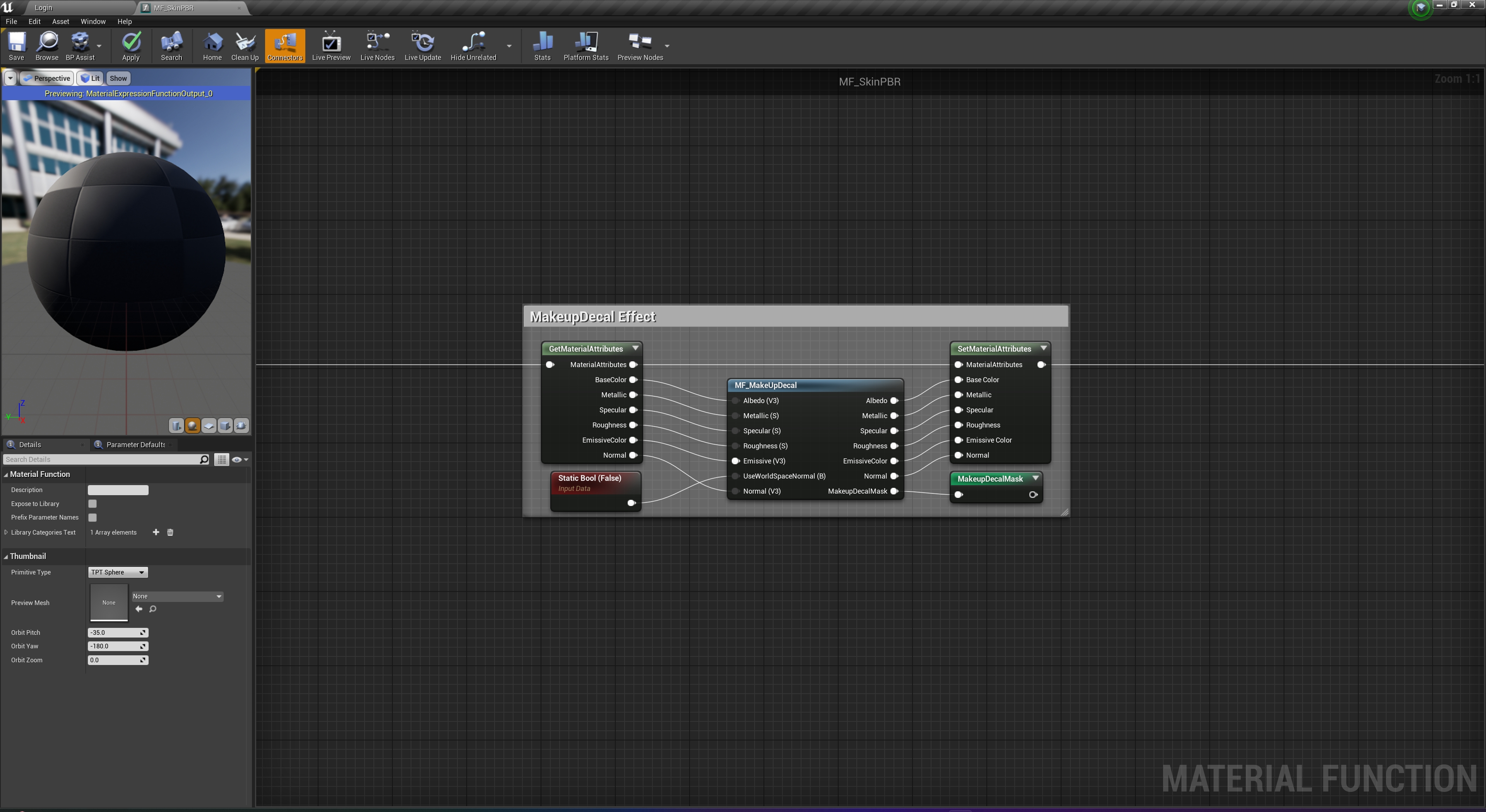
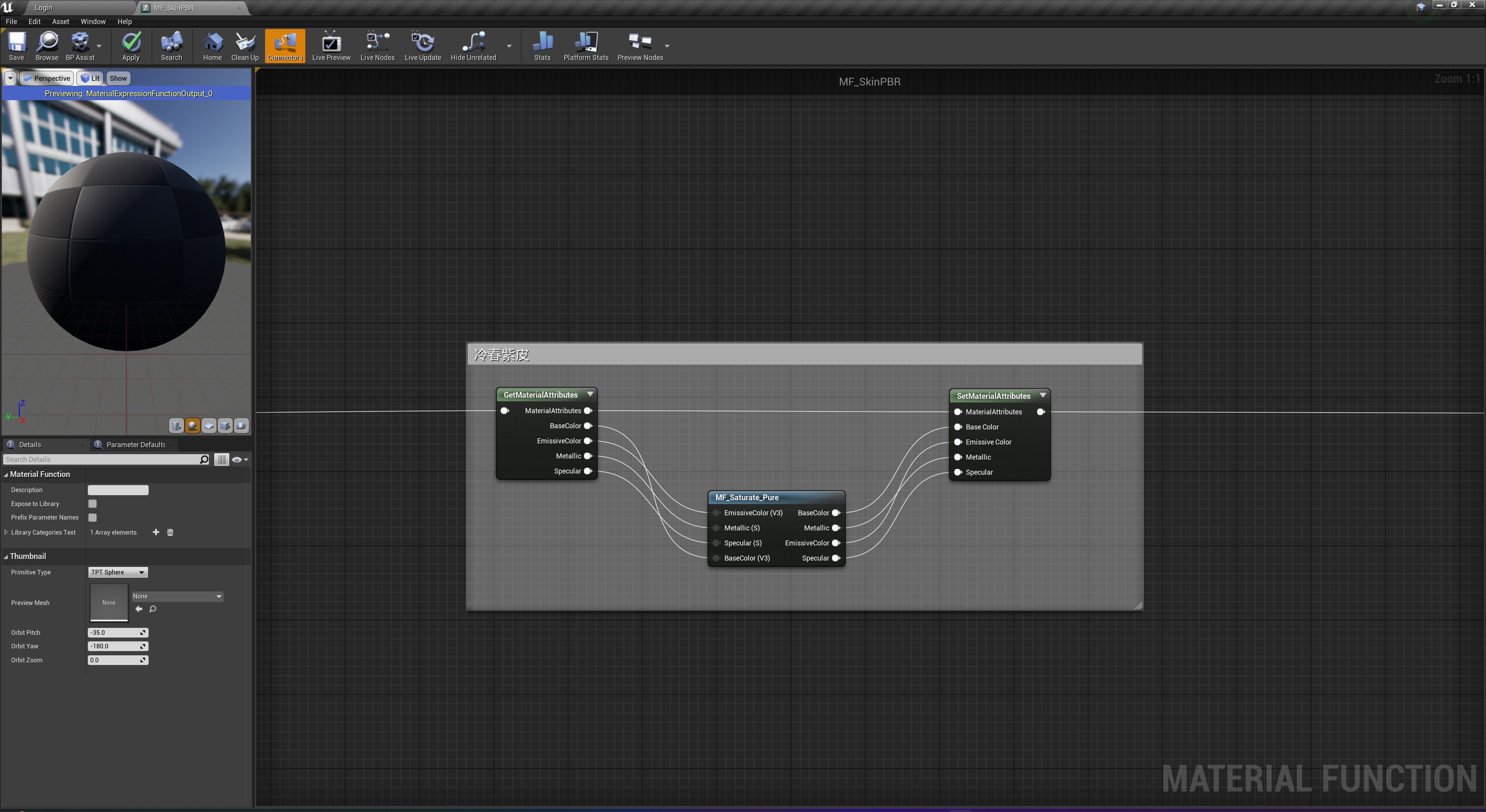
- Separate Base PBR, masks and effect blocks instead of duplicating monolithic shaders.
- Use shared atlas and parameter conventions for makeup and surface variation.
- Check texture counts, sampling, material slots and ALU costs with offline gates.
- Treat mobile budgets as explicit authoring constraints.
02 / Fur Workflow / SubMaterial / Instance Folding
Shell Fur System
A fur workflow integrates shell rendering into existing character and mesh authoring paths.
- Evaluate shell rendering against mesh and card approaches under platform constraints.
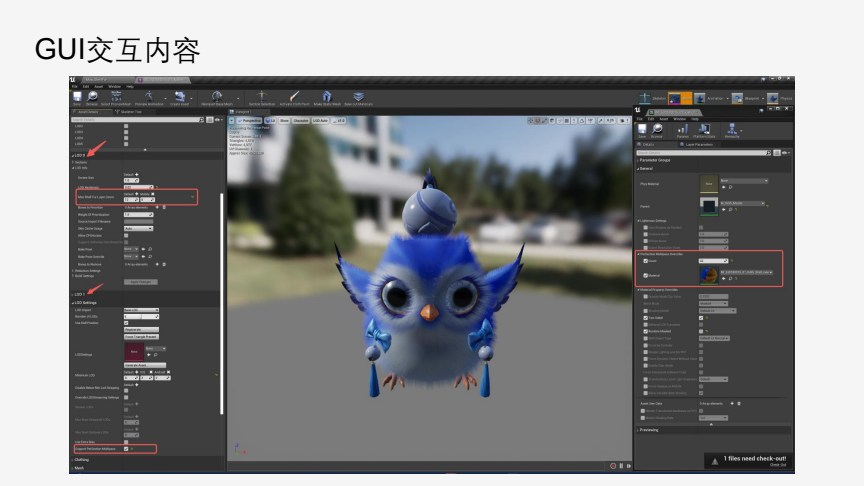
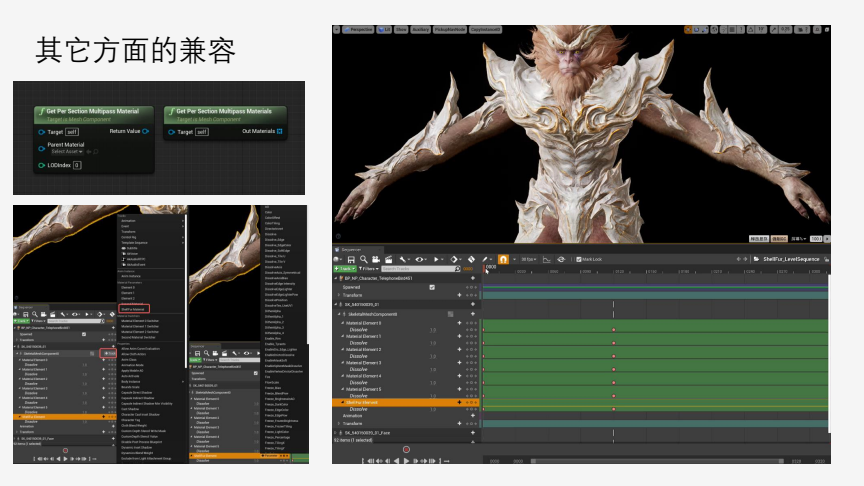
- Retain Unreal SubMaterial integration for Static and Skeletal Meshes without a special component.
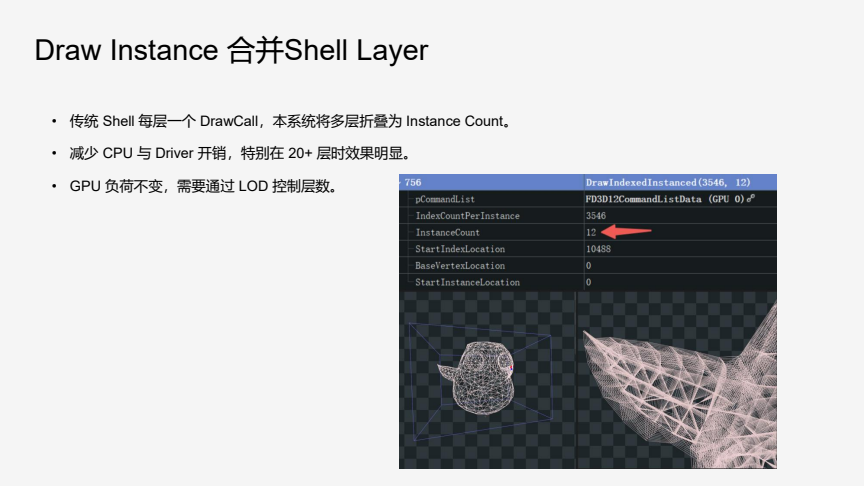
- Fold shell layers into Draw Instance submission using InstanceCount rather than a draw per layer.
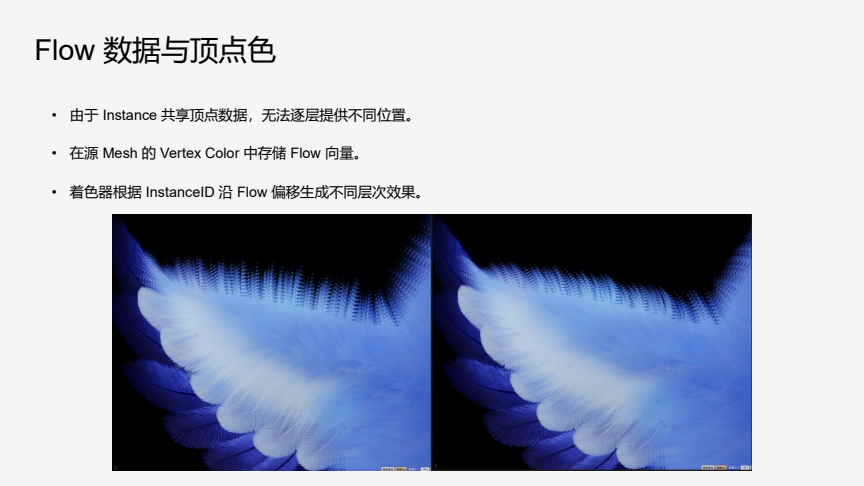
- Use vertex-color flow data, InstanceID and brush controls for authoring.