Lilith Games · 2022.01 - 2024.04
Farlight 84
Character Shading / Transparency / Water Rendering
Character shading, transparency ordering and mobile water rendering: connecting material appearance to practical pass and submission controls.

Problem & goal
Character materials, layered transparency and large water surfaces have different visual and mobile-budget constraints.
Design & implementation
- Build a shared character lookdev vocabulary for skin, hair and cloth.
- Expose submesh-level transparency ordering and depth-pass controls.
- Combine water shading with depth access and CDMesh geometry management.
Material response, transparency ordering and water cost can be inspected through concrete runtime controls.
01 / FramebufferFetch / CDMesh / Ocean Evidence
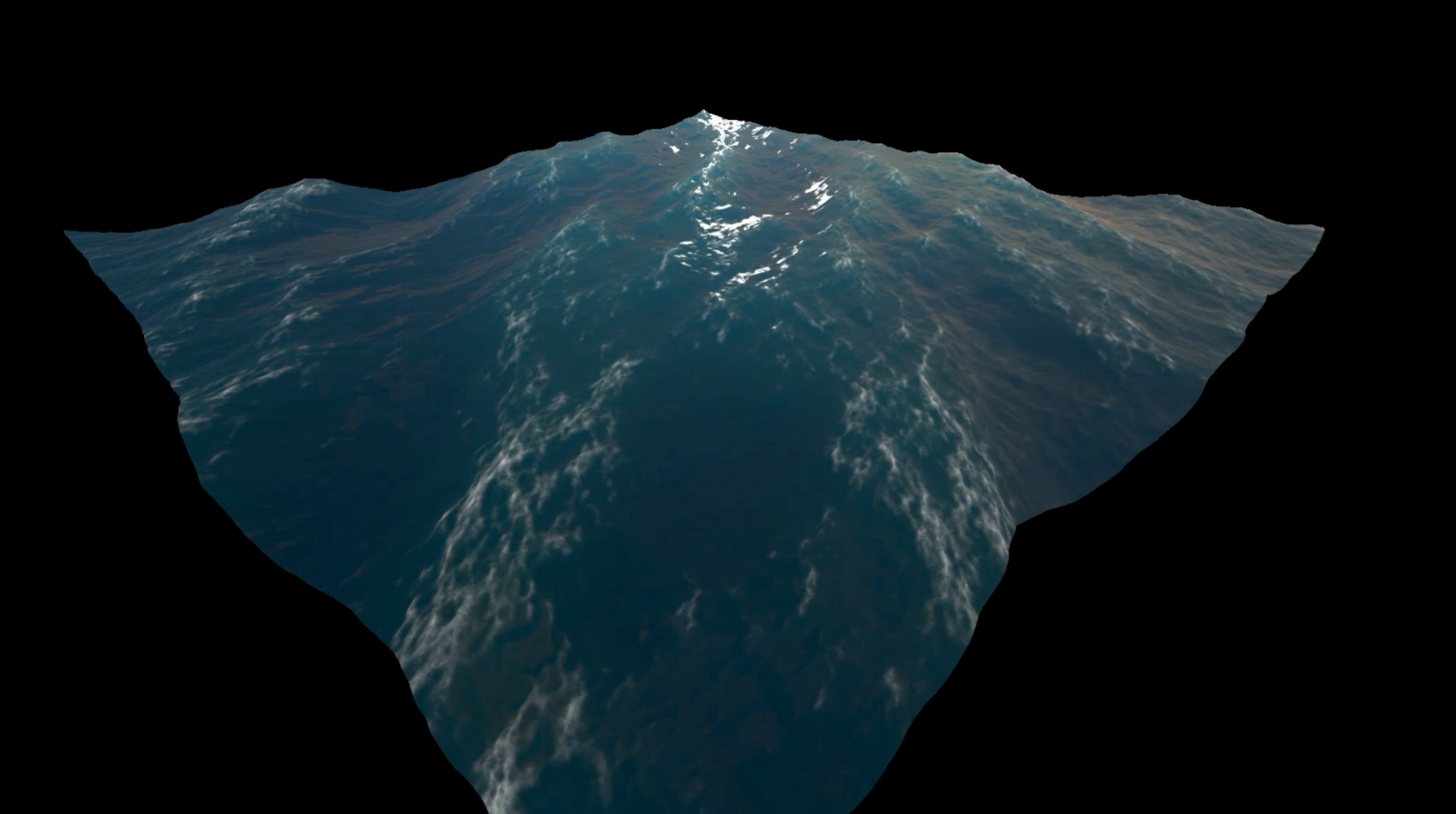
Water Rendering
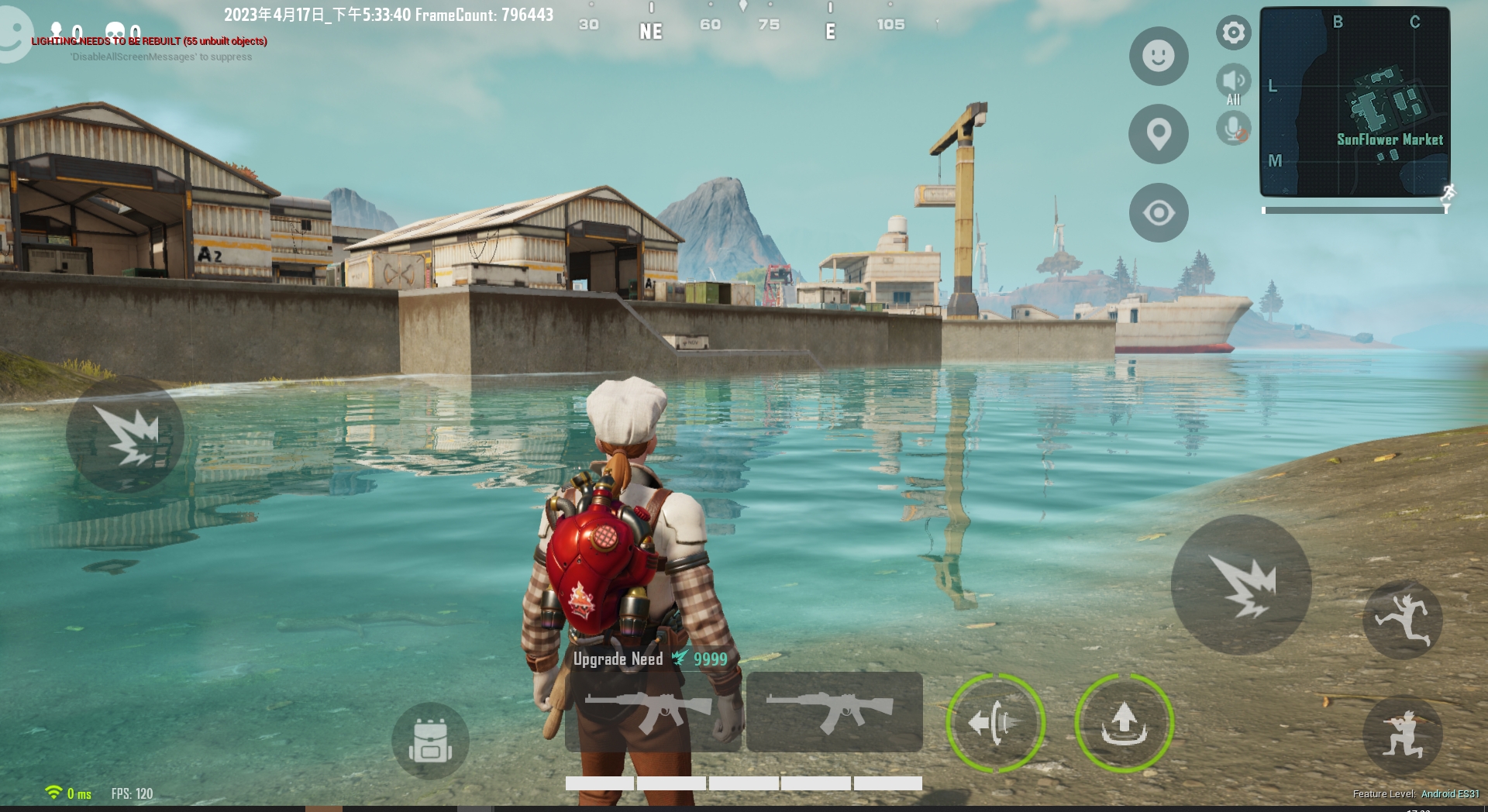
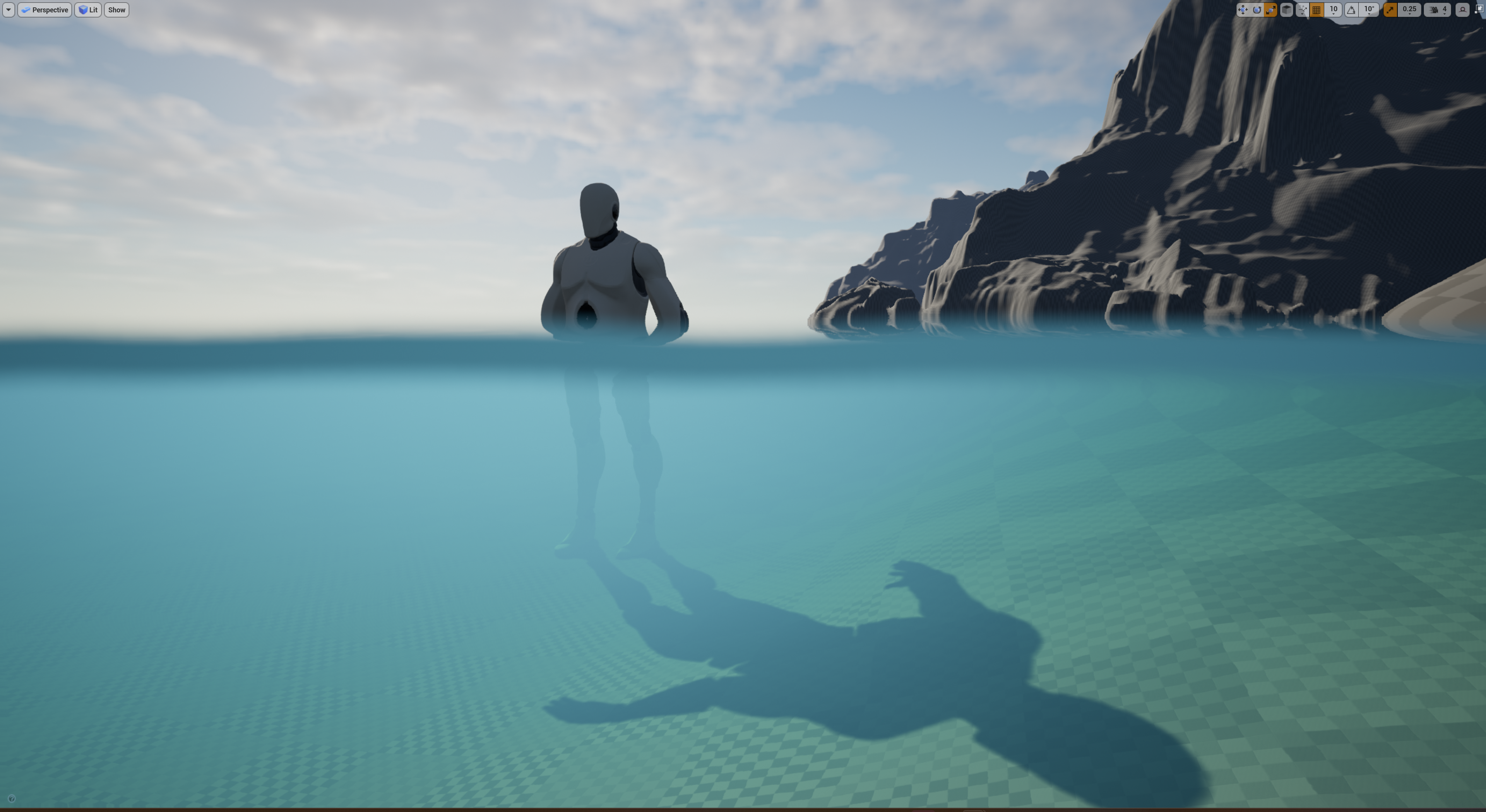
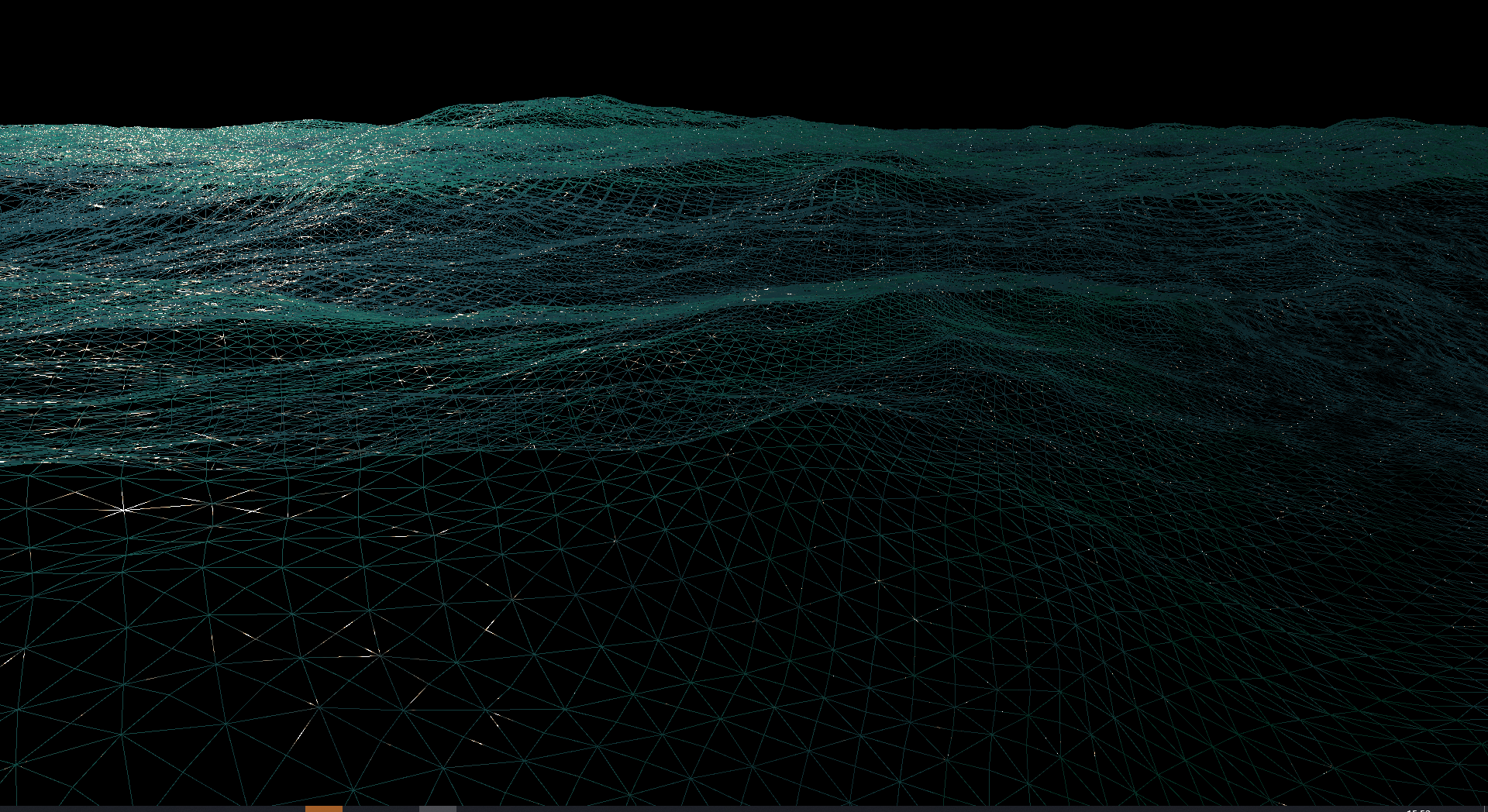
Water appearance is considered together with depth access, geometry density and mobile cost.
- Combine absorption, scattering, reflection and refraction with depth-dependent response.
- Use FramebufferFetch where applicable to organize depth and shading access.
- Study ocean simulation and shoreline behavior as distinct evidence.
- Use CDMesh to manage water geometry density and submission cost.
02 / Character Material / Lookdev / Realtime Shading
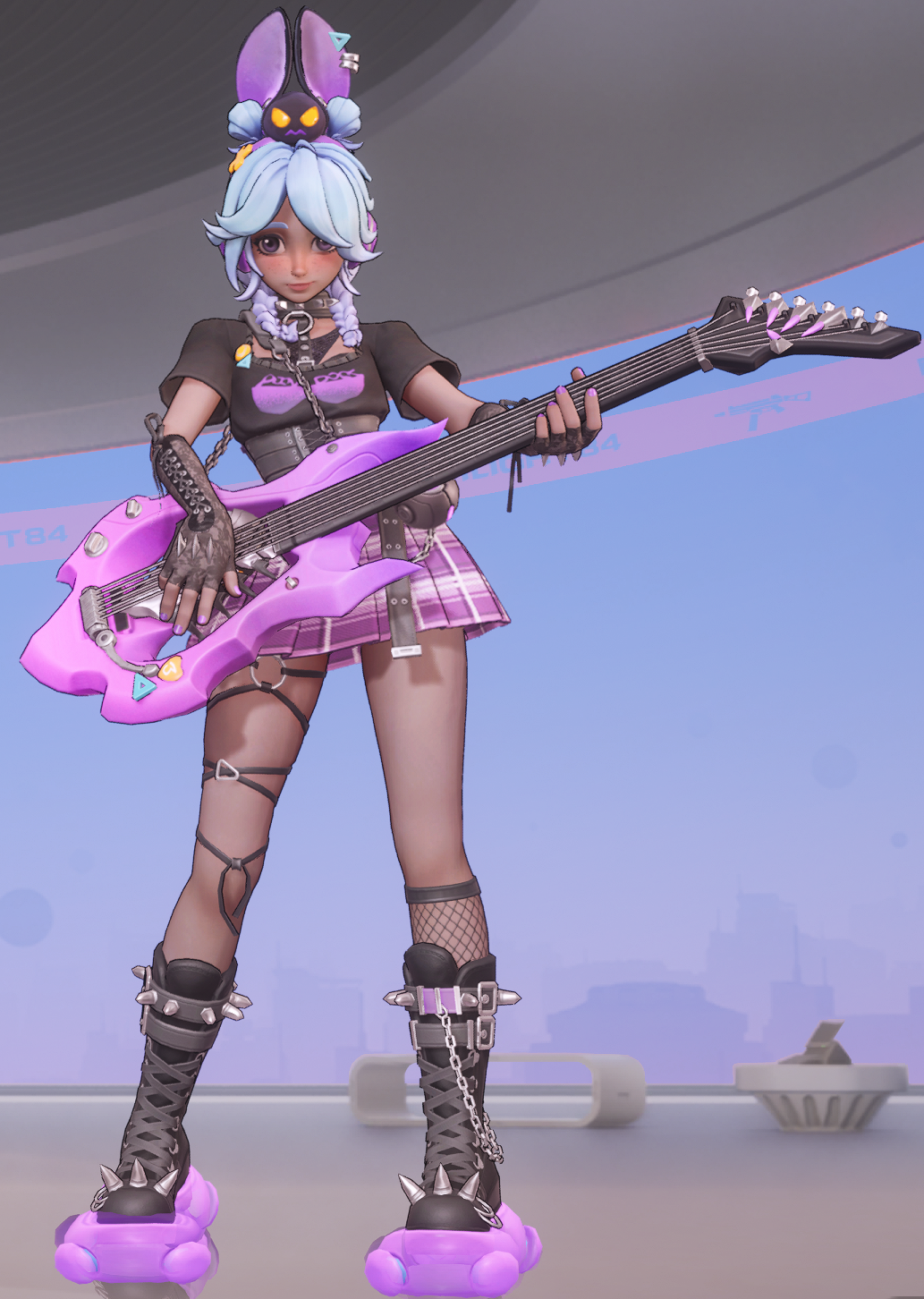
Character Shading Systems
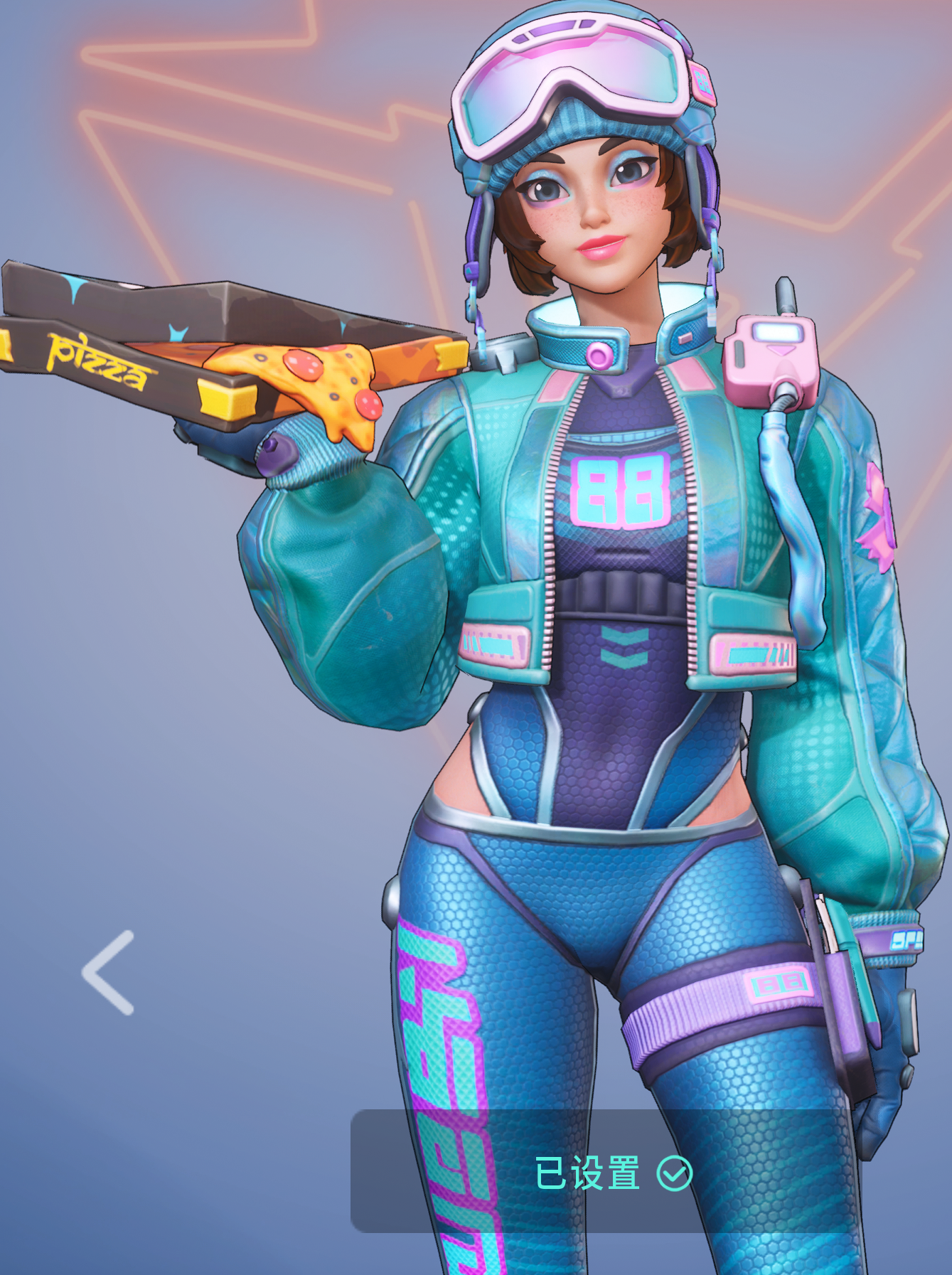
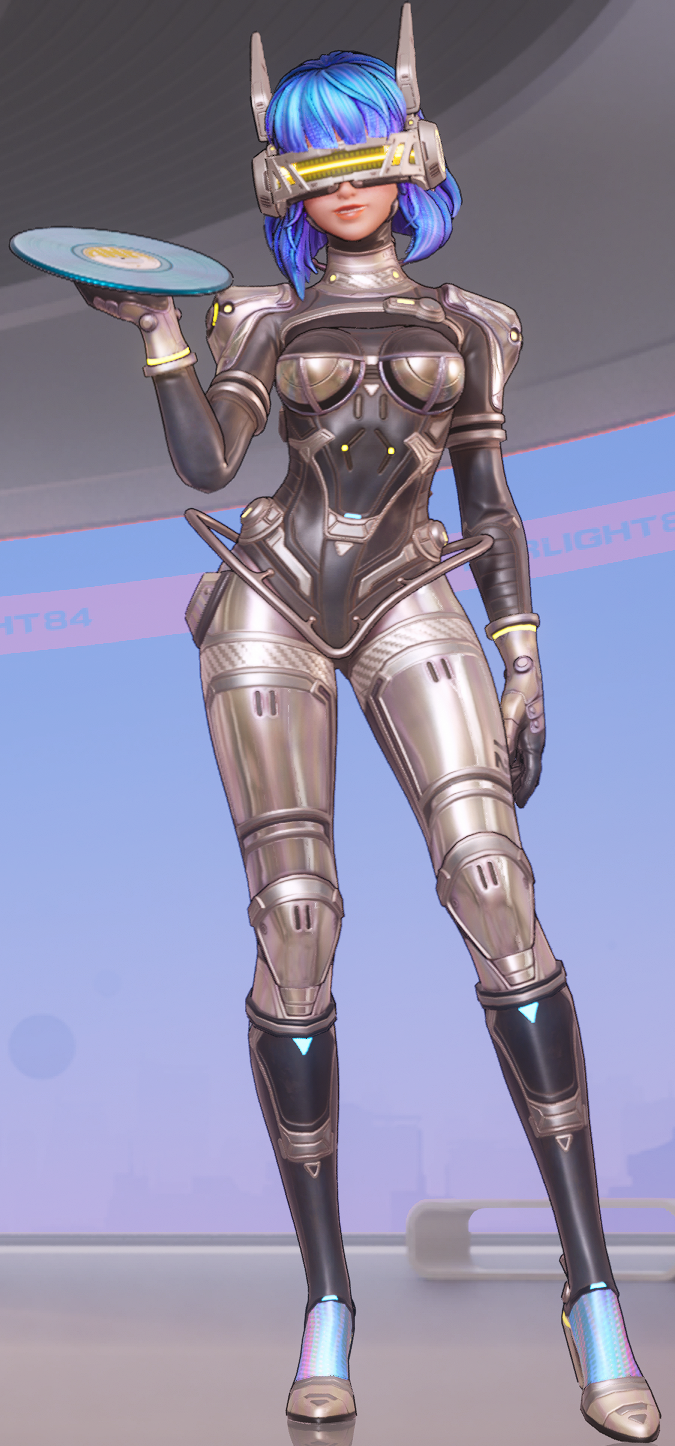
Character materials share a controlled lookdev environment for realtime comparison.
- Organize skin, hair and cloth material responses.
- Inspect anisotropic highlights and mobile subsurface scattering.
- Explore Mobile SSSS and one-pass shading under runtime constraints.
03 / SubMesh RenderQueue / Depth Pass
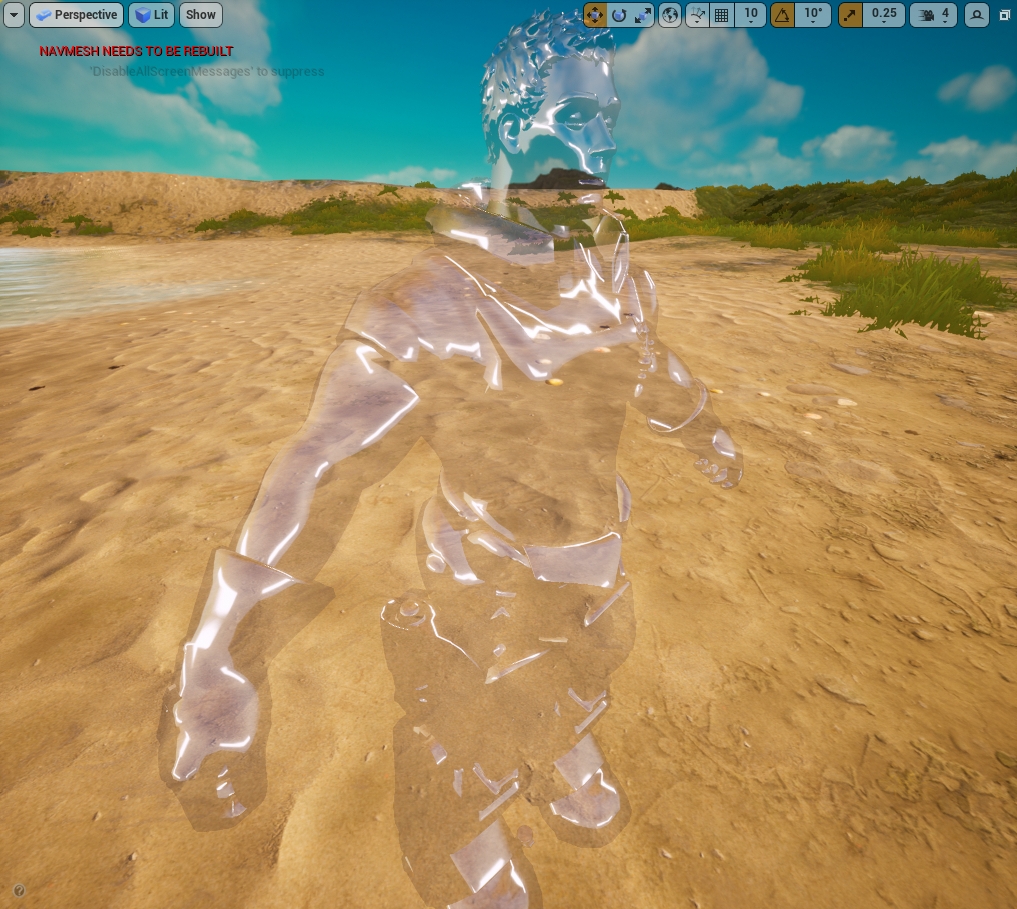
Transparency Sorting
Submesh-level controls make transparent parts and depth relationships easier to manage.
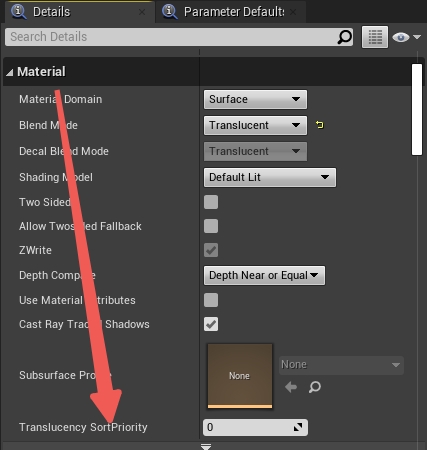
- Expose SortPriority and RenderQueue at section/submesh granularity.
- Combine depth-pass control with transparency submission order.
- Inspect controlled results alongside the actual authoring parameters.