Hypergryph · 2020.05 - 2022.01
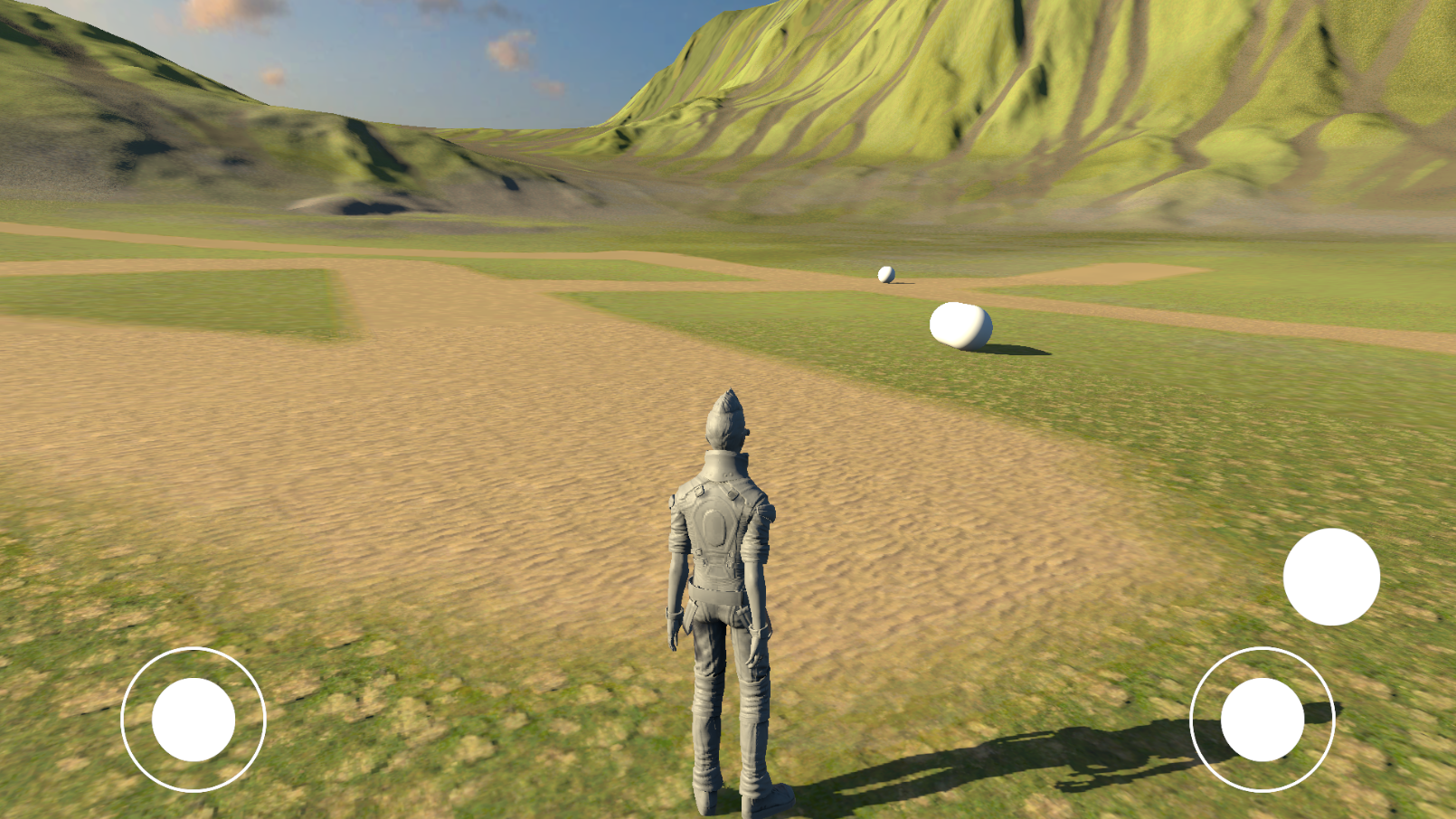
Ex Astris
Render Pipeline / Terrain / Vegetation / Runtime Virtual Texture / World Rendering
World-rendering infrastructure spanning terrain, vegetation and Runtime Virtual Texture, with rendering-pass and platform-extension responsibilities.

Problem & goal
Large scenes need scalable visibility and material evaluation while respecting mobile CPU and GPU costs.
Design & implementation
- Organize instanced terrain with CPU SIMD and GPU SIMT culling paths.
- Build vegetation around instancing and explicit visibility responsibilities.
- Use Runtime Virtual Texture to examine splat-layer evaluation and pixel overdraw.
Terrain, vegetation and virtual texturing form a connected world-rendering workflow with visible platform-cost boundaries.
01 / Instanced Terrain / CPU + GPU Culling
Terrain System
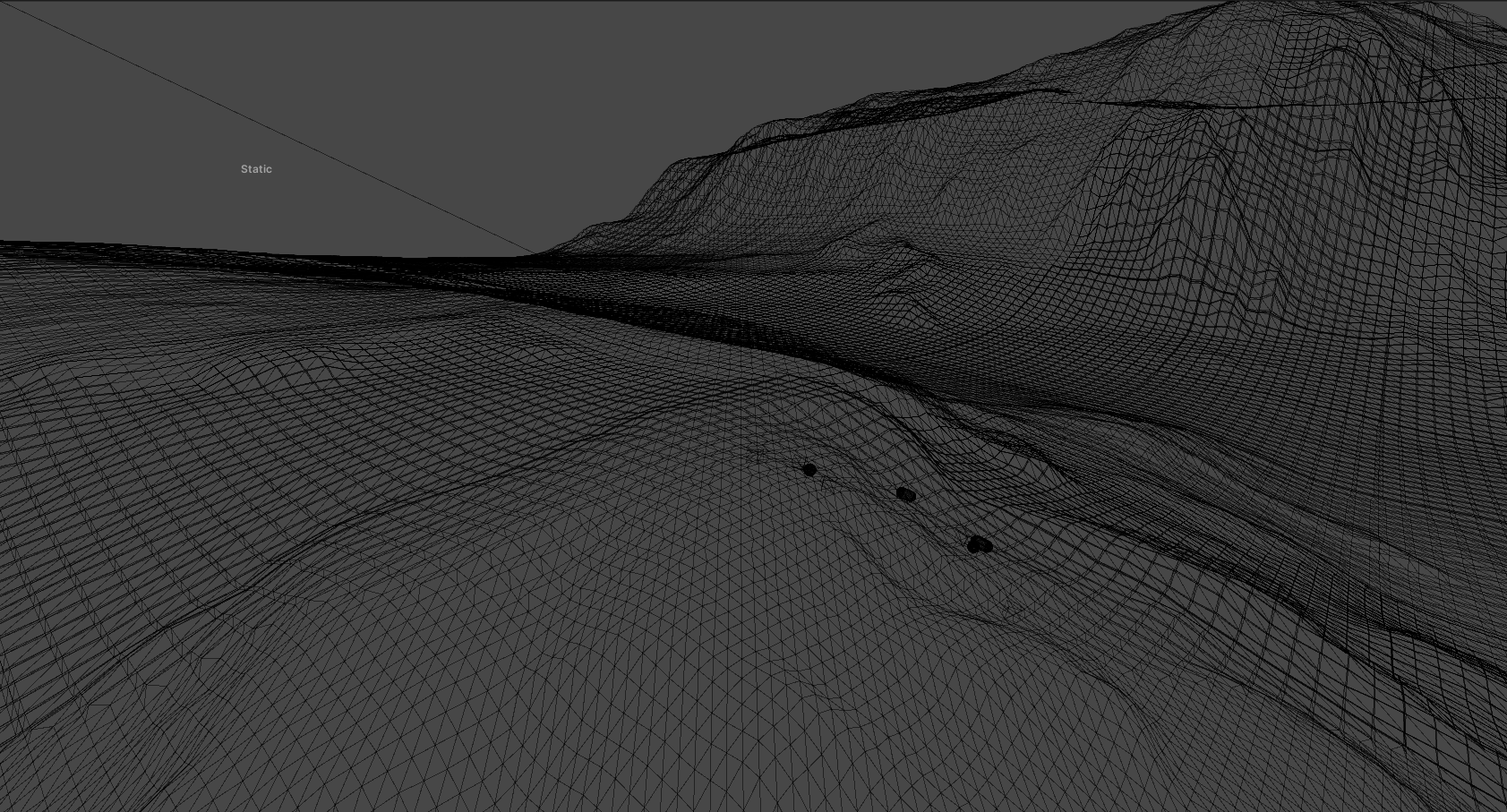
Instanced terrain separates visibility work from geometry submission.
- Organize terrain patches and instanced rendering.
- Support CPU SIMD and GPU SIMT culling responsibilities.
- Inspect wireframe results and runtime terrain behavior.
02 / Instanced Vegetation / Dual Culling Backend
Vegetation System
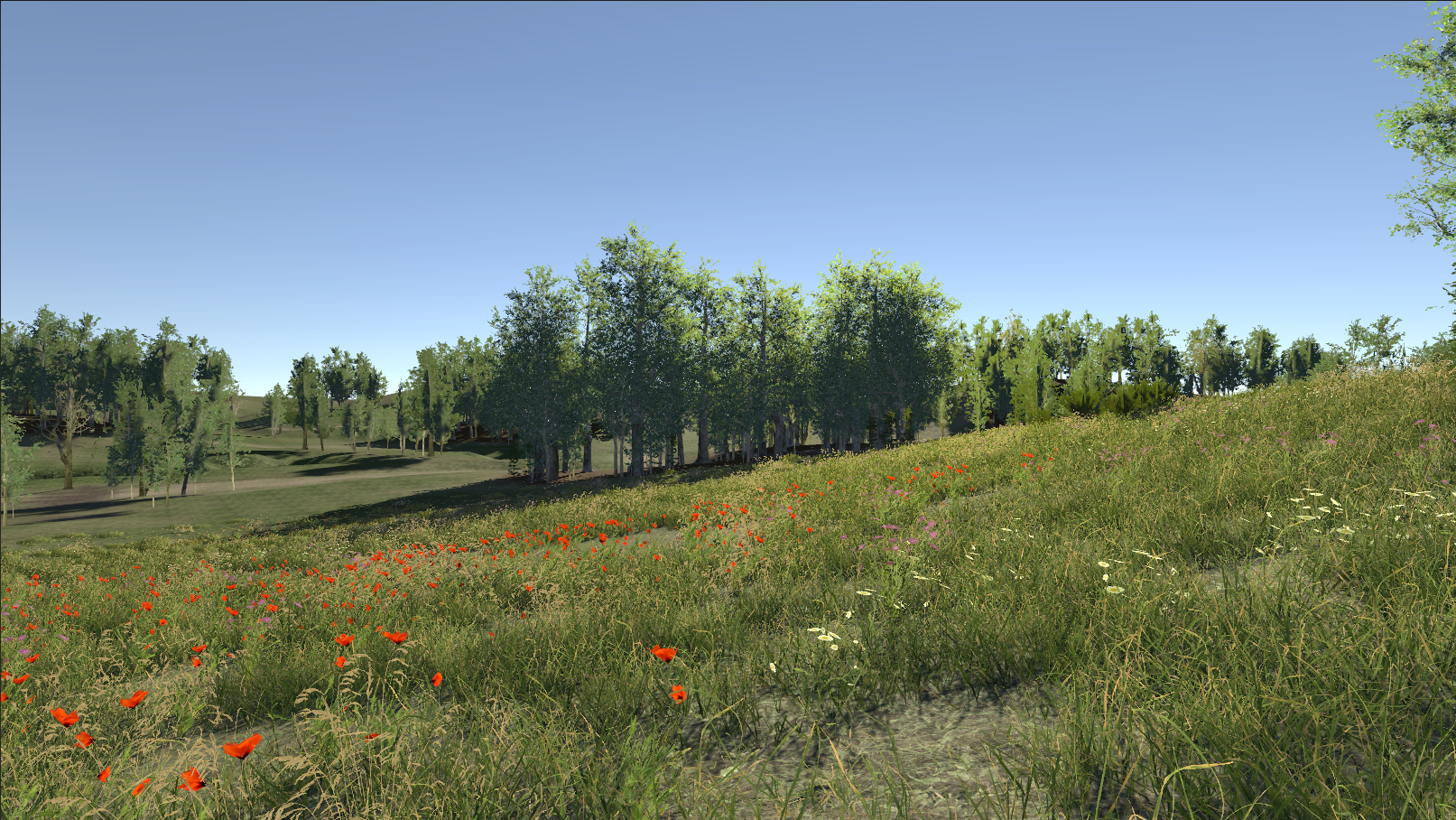
A vegetation path combines instance management and two culling backends.
- Organize instanced vegetation data and submission.
- Separate CPU and GPU visibility responsibilities.
- Check runtime scene results against platform constraints.
03 / Splat-Layer / Pixel Overdraw / Mobile Cost
Runtime Virtual Texture
Runtime virtual texturing explores terrain material evaluation and mobile pixel cost.
- Organize splat-layer material inputs.
- Inspect pixel overdraw and repeated shading cost.
- Evaluate the runtime result under mobile rendering constraints.